
This’ll be a quick one; mostly just a musing I had this morning while discussing the trading card game I’m working on with some of our playtesters on Discord.
I’ve written before about the two modes of game design in “Things I Learned”… Over a Lifetime of TCGs. The short version (as that other post is one of the longest I’ve ever written here) is that TCG design — and really, often game design as a whole — is a balancing act of designing your underlying game system and creating the components that players directly interact with. At its simplest example in a TCG, it’s the difference between crafting the rules and designing the individual cards.
The current prevailing question as we playtest Plots (the game) is whether we feel good about the game structure. The challenge is that in order to stress-test the structure, we need to have a whole bunch of reasonably well-designed cards that can demonstrate that structure. The place where those things intersect or diverge can be tough to see as you’re testing, especially from the outside.
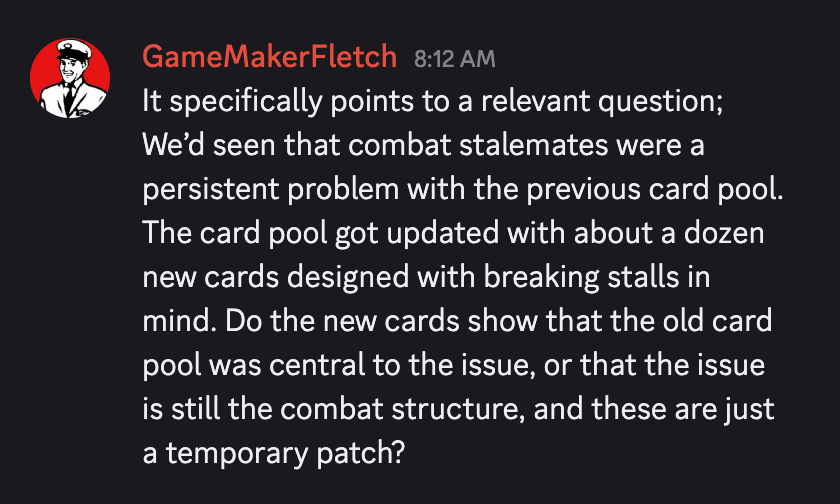
The place where the question of structural integrity is most visible right now is in Plots’s combat system. In version 5.1 of the design, we were seeing a persistent issue of board stalls. I’d build up a defense that you had a hard time breaking through, and as a result, you’d wind up keeping parity, where every card you played that couldn’t make forward progress only served as an impediment to my progress.
My gut was telling me that the problem was happening more on the component side of things. Assuming the system was sound, ground stalls could be broken by giving players cards/tools that impacted those impasses directly.
One of the changes to v5.1 was the addition of a number of new cards that were designed to put more emphasis on combat interactions. Where v5.1 had characters that could keep your Plot cards from being hit, v5.2 got cards designed to let you create openings to hit your opponent’s Plots. The demo decks in the Tabletop Simulator mod and print & play files were updated to include these cards, and starting yesterday, testing began with them. Could the mechanics on these new cards break up the traffic jams? That’s what we’re looking to answer.
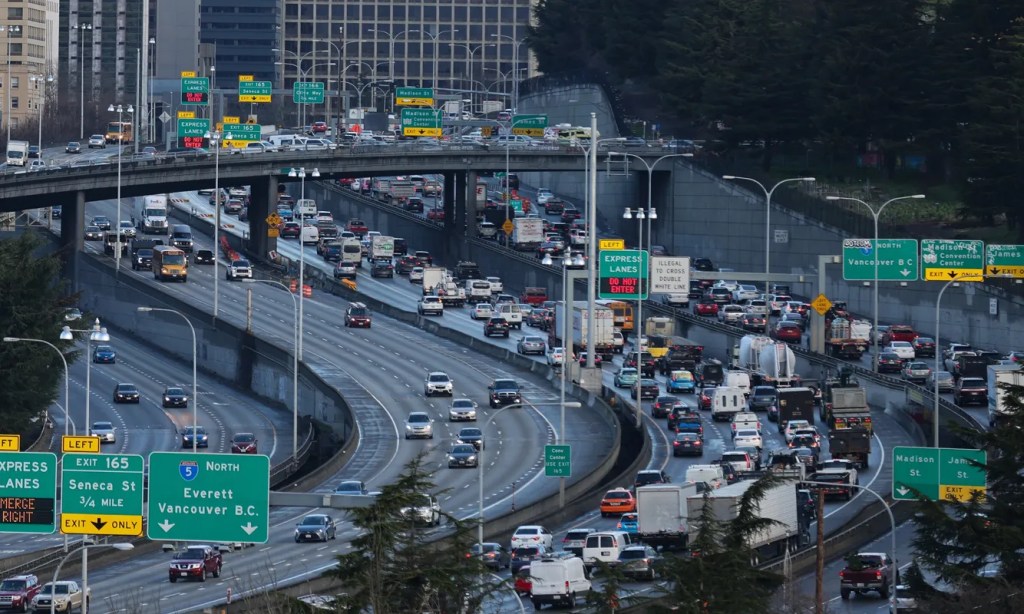
Before we go too far, I need to emphasize that it’s too early to know if the new cards truly change the tempo of the game. Depending on whether they work, that’ll tell us a lot about where we are on the system/component design spectrum. If they don’t make the game more fluid and dynamic, then we can be pretty sure the system needs more work. If they do, then we have a better picture of what kinds of cards make the system shine, and we can steer into making more of those in the future.
And that got me to looking at whether the cards, even if they fixed our issues, were just patches on a fundamentally flawed system. Patches are generally a bad thing, as the weaknesses in the greater design become obvious without them.
Sometimes though…
(Where I’m going next is potentially dangerous thinking, but I feel like I have to put it out there for consideration. Maybe I’m justifying weak design. Maybe I’m shifting my lenses and understanding something I didn’t entirely see before.)
Maybe sometimes the patch is actually a feature, especially if the game is about variety and versatility, and REALLY especially if the variety of patches give different strategies unique textures.
In a TCG, we need dozens, if not hundreds, of things that all feel like unique solutions to the puzzle currently on the board. Determining those right solutions actually starts before the game is even played, when you’re selecting the cards that’ll go in your deck. There is a very reasonable argument that you should select cards that you know can break stalls, assuming that not stalling is your strategy. Identifying the cards to break stalls is a skill — a feature of the game.
I’m building up to a metaphor here (that, to be fair, I totally telegraphed in the title up above). Where the traditional system structure for most board games is a map of a city drawn by skilled civil engineers, the system structure for a TCG is more like a quilt.
Quilts take all sorts of different shapes, even after they’re made. If you make a square quilt, it still looks different if you fold it, drape it over a chair, or toss it in a jumbled pile over there (wherever “there” is). Still a quilt.
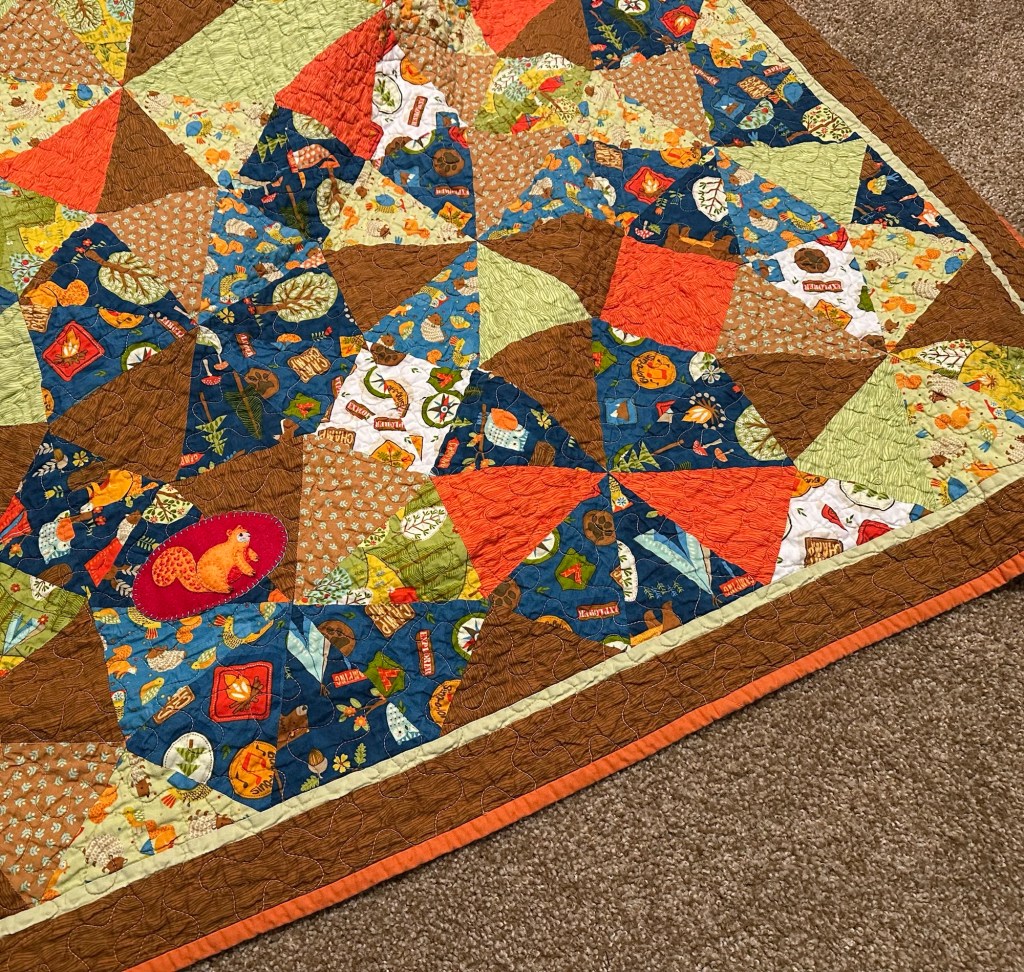
Beautiful quilts are also, metaphorically deconstructed, just a landscape of expertly selected and assembled patches.
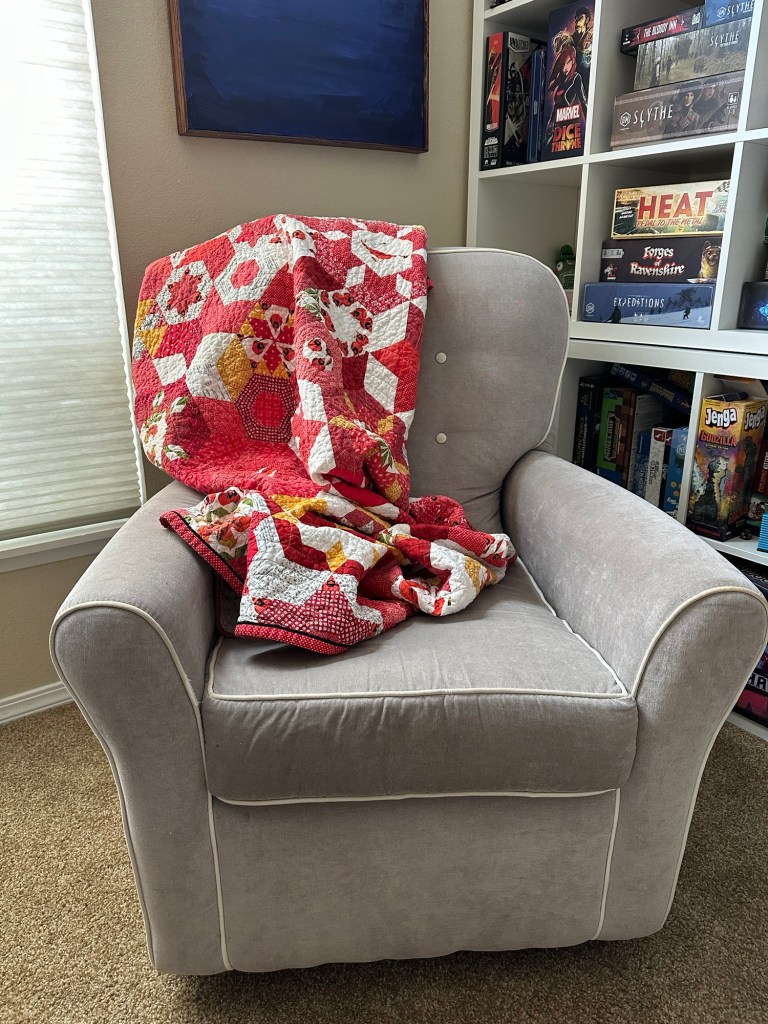
System = quilt pattern/TCG rules
Component = quilt swatches and blocks/TCG cards
Yes, for both, there has to be a really good plan for the system/structure if the components are going to hold together. But I’m thinking right now that the components probably help define the system as much as the system defines them.
Does this metaphor hold up in a few days after the testing shows patterns? I don’t know yet. We’ll see.
PREVIOUS:
Test, Breed a Mutt, Test Again
 DiscoCandybar.com
Leave a comment